







Legacy system holding you back
Old, undocumented software only one person can maintain.



Tell us what is slowing your business down. We reply with a possible path, no strings attached.
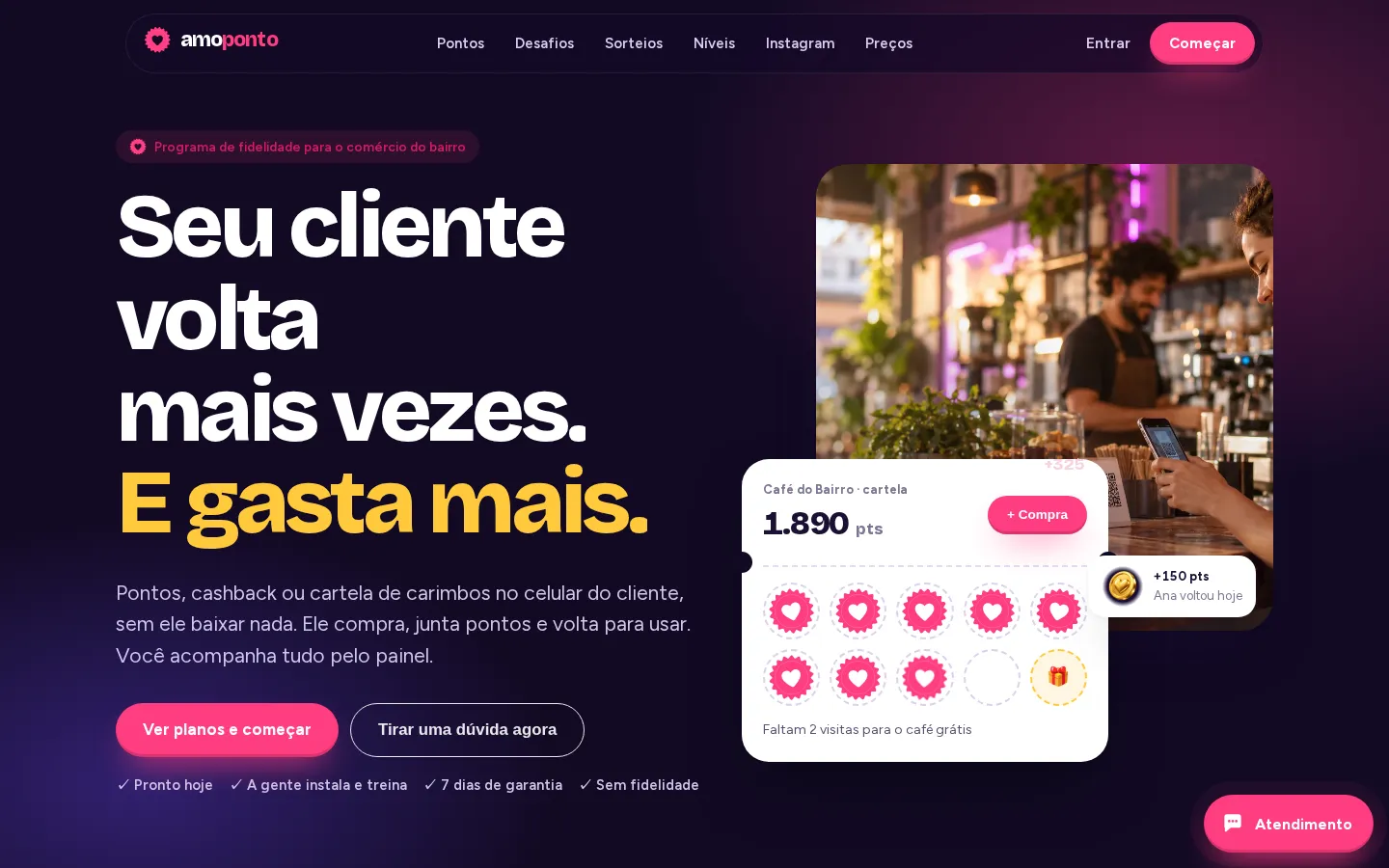
Book an assessmentWebsites, software and products Exacta built that are live, on desktop and mobile.
See full portfolioTell us what is slowing your business down. We reply with a possible path, no strings attached.
Book an assessmentSome problems don't have a good product on the market. Some legacy systems can't be maintained anymore. We build custom software for those cases, with clear scope and increments you can test from week one.

Custom software is built for a specific problem instead of adapted from a generic product. It makes sense when your process is a competitive advantage, when the rules are unusual, or when bending off-the-shelf tools has become more expensive than building.
It isn't always the right call, so we evaluate alternatives first: a well-configured product, an integration between existing tools, or a full build. Our article on custom software vs off-the-shelf lays out the criteria we use.
When building is the answer, we work with phased scope, prototypes before code, short delivery cycles and technical documentation.
Old, undocumented software only one person can maintain.
Business rules that require expensive workarounds.
Clients or partners need controlled access to orders, documents or data.
Software that follows how you work.
Costs don't automatically grow with headcount.
APIs, webhooks and files as needed.
A documented system that evolves with you.
Tell us in a few lines what you need. The assessment is free and we reply within 1 business day.
Rebuild a desktop or legacy system as a web app, migrating data and rules.
Customers place orders and track deliveries online.
Mobile visits, photos and signatures with sync.
Logic that currently lives in fragile spreadsheets.
Document classification and smart search over company knowledge.
A first version to validate with real customers.
Goals, users, rules, constraints and alternatives.
User stories, clickable screens, acceptance criteria.
Short increments in a staging environment.
Migration, monitoring, docs and maintenance plan.
We build and run multi-tenant products with per-tenant isolation and automated tests.
If a product fits better, we'll tell you.
Critical rules covered by automated tests.
Ownership of code, hosting accounts and data is defined in the proposal. Custom projects commonly transfer code ownership to the client.
Acceptance criteria per feature, automated tests on critical rules and client sign-off before each release.
Yes. We work in UTC−3, which overlaps with US East Coast mornings and European afternoons. Decisions and specs are written down, and every increment is testable in the browser. We don't have offices outside Brazil.
If a system exists today, describe what it does and where it breaks.
The assessment helps decide between buying, integrating and building.